


What Are the Main Differences Between Renting and Buying a Home?
Renting means paying to live in a home owned by someone else, with a lease that sets terms for your occupancy. Buying involves purchasing and owning a property, with responsibility for its maintenance and financing. Both options fulfill the basic need for shelter, but the obligations, risks, and rewards differ significantly.
Residents in the Cascade Lakes area often weigh these options based on their lifestyle, budget, and long-term goals. The local housing market offers a variety of rental and purchase opportunities, from apartment complexes with maintenance included to single-family homes with yards and more privacy.
Why Might Renting Be a Good Fit in This Area?
Renting appeals to those who need flexibility, aren’t ready for the commitment of ownership, or plan to move in the near future. In Cascade Lakes, the flexibility of rental agreements can be especially helpful for newer residents or those who want to experience different neighborhoods before choosing a long-term home.
- Most leases are for one year, sometimes shorter, making it easier to leave after the term ends.
- Renters rarely pay for major repairs, maintenance, or property taxes—costs typically covered by landlords.
- Upfront financial requirements are typically limited to a security deposit and first month’s rent. This can be thousands of dollars less than a typical down payment.
- Utilities are sometimes partially included, especially in multifamily or apartment communities in the city.
However, renters may be surprised by rising rents, possible restrictions on pets or decorating, and occasional short notice if a landlord decides to sell or repurpose a property.
What Are the Main Downsides of Renting Locally?
The biggest disadvantages to renting in Cascade Lakes are a lack of equity accumulation and less control over the living space. Renters may face these real-life challenges:
- Rent can increase each lease renewal, depending on local demand and landlord policies.
- There are often limitations on making permanent changes—such as remodeling, painting, or landscaping.
- Not having a fixed long-term cost can make future planning harder, especially as home values in the area fluctuate.
- Moving frequently might be necessary if a property is sold, repurposed, or the rent becomes unaffordable.
Some residents also experience difficulty finding pet-friendly rentals or spaces large enough for growing families during peak moving seasons.
What Are the Advantages of Buying a Home?
Buying a home offers more stability and long-term investment potential. Cascade Lakes homeowners benefit from:
- Building equity over time as mortgage payments contribute toward ownership.
- Gaining more freedom to modify, renovate, or landscape the property.
- Enjoying greater predictability—fixed-rate mortgages keep monthly payments steady, aside from changes in property taxes or insurance.
- Benefiting from potential appreciation if property values rise over the years.
- Qualifying for certain local or federal tax deductions related to mortgage interest and property taxes (consult a tax preparer for specifics).
Owning provides a sense of belonging, rootedness, and privacy that many in the community value—especially those with children, pets, or a desire for a place to call their own.
What Responsibilities and Risks Do Buyers Accept?
Ownership in Cascade Lakes comes with increased costs, time commitments, and responsibilities. Homeowners handle:
- All repairs and maintenance, from leaky roofs to lawn care, regardless of convenience or cost.
- Large upfront expenses—down payment (sometimes 5-20% of purchase price), closing costs, inspections, and appraisals.
- Ongoing property taxes, homeowners insurance, and often homeowner association (HOA) dues or special assessments, especially in neighborhoods with shared amenities or pools.
- Risk of home values decreasing, resulting in less resale value than anticipated, particularly if the economy contracts or local market demand wanes.
- Less flexibility to move quickly, since selling can take months and may incur costs like commissions and repairs.
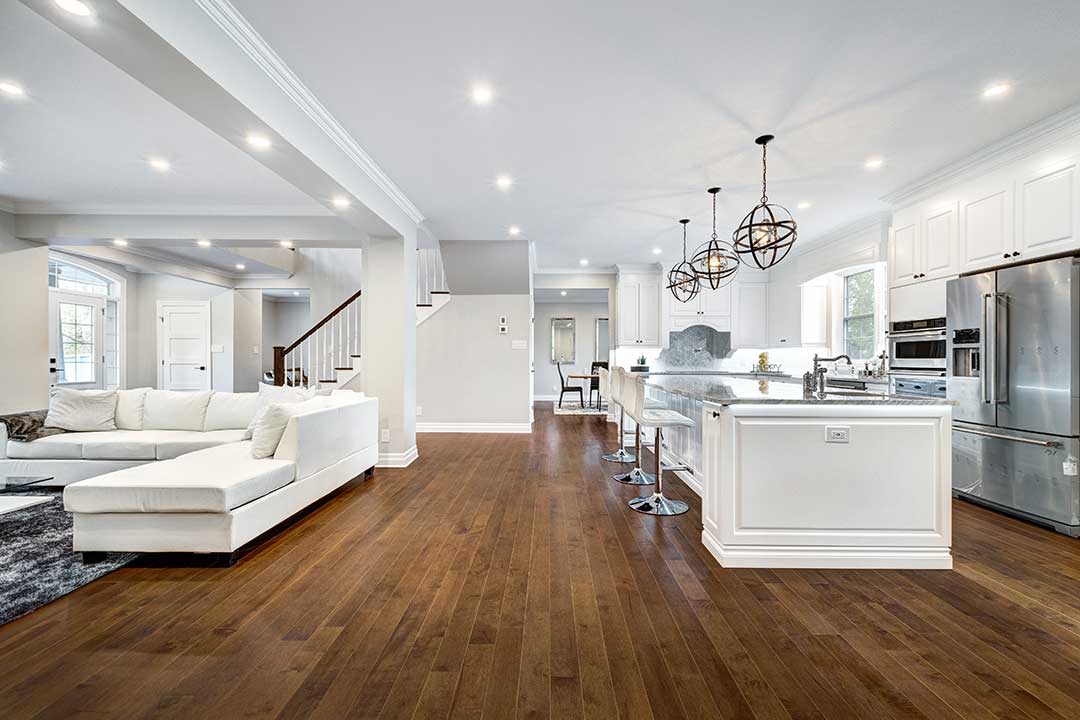
Unexpected repairs during seasonal transitions—such as winterizing systems or fixing storm damage—can catch new owners off guard.
How Do Local Market Conditions Affect This Decision?
Cascade Lakes has a mix of housing types and price points, but available inventory and rental demand fluctuate throughout the year. In popular areas near local lakes, trails, or schools, rents and purchase prices can rise more rapidly. Seasonal factors—icy roads, spring flooding, or increased summer activity—may affect both moving timelines and property maintenance needs.
For instance, renters often time moves for the spring or summer cycle, while buyers sometimes navigate multiple offers or higher prices during busy selling seasons. Homeownership generally becomes more attractive the longer an individual plans to remain local, especially if property values are stable or growing.
What Should Residents Consider for Their Personal Situation?
No single answer works for everyone. Some practical questions to ask:
- How long do you expect to stay in Cascade Lakes? Renting is usually more economical for short-term residents, while buying can pay off for those planning to remain five years or longer.
- Is job stability a concern? Renters can move more easily if employment or personal situations change.
- Are you comfortable handling home repairs or hiring help? Ownership usually requires more direct involvement in upkeep.
- Do you wish to customize your space or invest in home improvements?
- What is your current financial situation? Secure, predictable income and savings are especially important for buyers.
Many local residents find that speaking with others who have rented or purchased in the community helps clarify the true day-to-day experiences.
What Common Misconceptions Should Local Residents Be Aware Of?
A couple of common myths in the Cascade Lakes area:
- “Renting is always throwing money away.” While rent doesn’t build equity, it does pay for flexibility, fewer responsibilities, and sometimes access to amenities renters wouldn’t otherwise afford.
- “Buying is always a better investment.” Homeownership has upfront and ongoing costs, and market changes mean returns aren’t guaranteed. Not everyone who buys ends up richer than renters.
- “You must put 20% down to buy a home.” While this is a traditional standard, some loan programs allow lower down payments; however, this usually comes with extra costs, like private mortgage insurance.
Understanding these nuances can help area households make decisions that truly fit their goals and circumstances.